
Welcome,
to the world of sustainable eating – a journey that’s not just about filling your plate, but about nourishing your body and the planet. As health enthusiasts, we’re always on the lookout for ways to invest in our well-being, and what we eat plays a pivotal role in this quest. But here’s the twist: sustainable eating is not just about choosing healthy foods; it’s about making choices that are environmentally friendly and ethically sound. In this blog, we’ll delve into how sustainable eating can seamlessly blend into your meal plans, making your diet as good for the earth as it is for your health. So, grab a seat (and maybe a healthy snack), and let’s explore how you can transform your eating habits into a force for positive change! Impact-Site-Verification: a6110fc4-be83-45db-a64f-1d0ef651d584
Understanding Sustainable Eating
Sustainable eating might sound like a trendy buzzword, but at its core, it’s a simple and powerful concept. It’s about choosing foods that are not only beneficial to our bodies but also kind to the planet. For us health enthusiasts, it’s like hitting two birds with one stone – nourishing ourselves while being mindful of the earth.
But what exactly does it mean to eat sustainably? Think local, seasonal, and organic. It’s about embracing foods that require fewer resources to produce, have a lower carbon footprint, and support local communities. And here’s the cherry on top: these foods are often fresher, more nutritious, and packed with flavors that can elevate your meals from mundane to mouthwatering.
Incorporating sustainable practices into your diet aligns perfectly with long-term health goals. It’s not just about reducing your carbon footprint; it’s about embarking on a journey towards a more conscious lifestyle. Every bite becomes a step towards a healthier body and a healthier planet.
The Role of Meal Planning in Sustainable Eating
Diving into sustainable eating can seem overwhelming at first, but here’s where the magic of meal planning comes into play. Think of meal planning as your roadmap to sustainable eating – it helps you navigate the choices and options available, making the journey enjoyable and stress-free.
Professional meal plans can be a game-changer here. They take the guesswork out of the equation, providing structured and balanced meal options that align with both your health goals and sustainable practices. Imagine having a week’s worth of meals planned out, with each dish thoughtfully curated to be both nutritious and environmentally friendly. That’s the convenience and power of professional meal planning.
But it’s not just about convenience. Planning your meals in advance ensures that you’re making mindful choices about what you eat. It helps you focus on incorporating seasonal produce, reducing food waste, and exploring diverse, plant-based options. With a professional meal plan, every meal is an opportunity to nourish yourself and do your bit for the planet.
Practical Tips for Creating Sustainable Meal Plans
Adopting sustainable eating habits can be easier than you think, especially with a few practical tips up your sleeve. Here’s how you can start integrating sustainability into your meal planning:
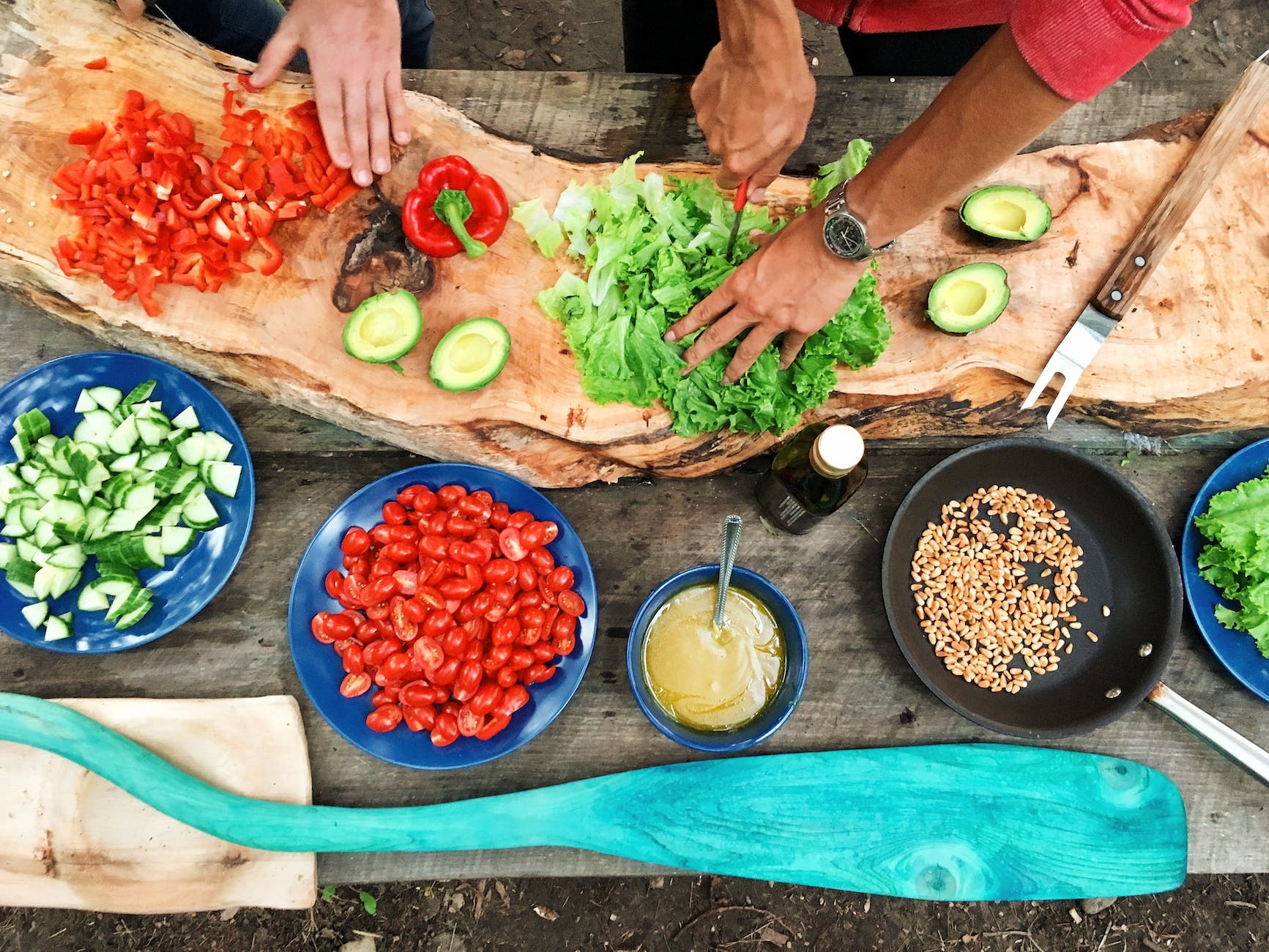
- Seasonal and Local Produce: Begin by basing your meals around what’s in season and locally available. Seasonal fruits and vegetables are not only fresher and tastier but also have a smaller environmental footprint. Plus, buying local supports your community’s farmers.
- Plant-Based Choices: Incorporating more plant-based meals into your diet is a win-win for your health and the environment. Plants require fewer resources to grow than animal products, reducing your ecological footprint. You don’t have to go fully vegetarian – even a few plant-based meals a week can make a significant difference.
- Mindful of Waste: Reducing food waste is a crucial aspect of sustainable eating. Plan your meals so that you can use leftovers creatively, and store your food properly to extend its shelf life. Remember, every bit of food saved counts!
- Ethical Sourcing: Whenever possible, opt for ethically sourced meats and seafood. Look for certifications that indicate sustainable practices. This not only ensures better quality food but also supports responsible farming and fishing practices.
- Diverse Grains: Explore beyond the usual rice and wheat. Ancient grains like quinoa, millet, and amaranth are not only nutritious but often grown in a more sustainable manner. They add a new dimension of flavor and texture to your meals too.
By implementing these simple yet effective strategies, you can create meal plans that are both healthful and aligned with sustainable practices. It’s all about making conscious choices that benefit your body and the environment.
Case Studies: Success Stories in Fat Loss and Muscle Gain
Embracing sustainable eating isn’t just about the environment; it’s a path to achieving personal health goals like fat loss and muscle gain. Let’s look at a couple of inspiring success stories from two of my clients:
Story 1: The Fat Loss Journey
Meet Alex, a health enthusiast who struggled with weight loss despite trying various diets. The turning point came when Alex started a sustainable meal plan focusing on plant-based foods and local produce. This shift not only reduced calorie intake but also increased the nutrient density of meals. Within months, Alex noticed significant fat loss, higher energy levels, and a newfound appreciation for fresh, flavorful foods. What made this journey sustainable was the ease of integrating local, seasonal foods into daily eating habits, proving that weight loss can align with environmentally conscious choices.
Story 2: Gaining Muscle Sustainably
Then there’s Jordan, a gym-goer aiming to build muscle. Jordan’s strategy? Incorporating ethically sourced lean proteins and a variety of plant-based proteins into a carefully planned diet. This approach ensured a high protein intake essential for muscle growth, but with a lower environmental impact than traditional muscle-building diets. The results were impressive – not only did Jordan achieve the desired muscle gains, but also enjoyed a diet rich in diverse flavors and nutrients, all while adhering to sustainable practices.
These stories highlight that whether your goal is fat loss or muscle gain, sustainable meal planning can be a powerful tool. It shows how individual health goals and environmental consciousness can go hand in hand, leading to both personal and planetary well-being.
Put It All Together
In our quest for health and fitness, sustainable eating emerges not just as a trend, but as a necessity for both our well-being and that of our planet. By embracing meal planning that prioritizes local, seasonal, and plant-based foods, we not only nourish our bodies but also contribute to a healthier environment. The stories of Alex and Jordan are testaments to the fact that our personal health goals, whether it’s losing fat or gaining muscle, can be achieved in harmony with the earth’s well-being.
So, as health enthusiasts, let’s make a commitment. Let’s choose meal plans that respect our planet as much as they benefit our health. Whether it’s through incorporating more plants into our diet, reducing food waste, or supporting local produce, every small step counts. And remember, professional meal plans are there to guide us on this journey, making the transition smoother and more enjoyable.
Start your sustainable eating journey today. Your body, and the planet, will thank you!



 Gabriel's Gym Wisdom: 12 years of fitness mastery
Leave a comment